























Our gut is a complex world, filled with trillions of tiny life forms. These microorganisms are key to our health and happiness. By understanding our microbiome, we can find true wellness and energy.
The microbiome is a mix of bacteria, fungi, and other tiny creatures in our gut. They help us digest food and boost our immune system. They even affect our mood and how we fight off diseases. Knowing how important gut health is is the first step to feeling whole.
In this guide, we’ll explore the microbiome’s role in our health. We’ll talk about how diet and probiotics and prebiotics matter. We’ll also look at the connection between our gut and brain, and signs of a sick gut. We aim to help you become a healthier, more vibrant version of yourself.
What is Gut Health and Why Does it Matter?
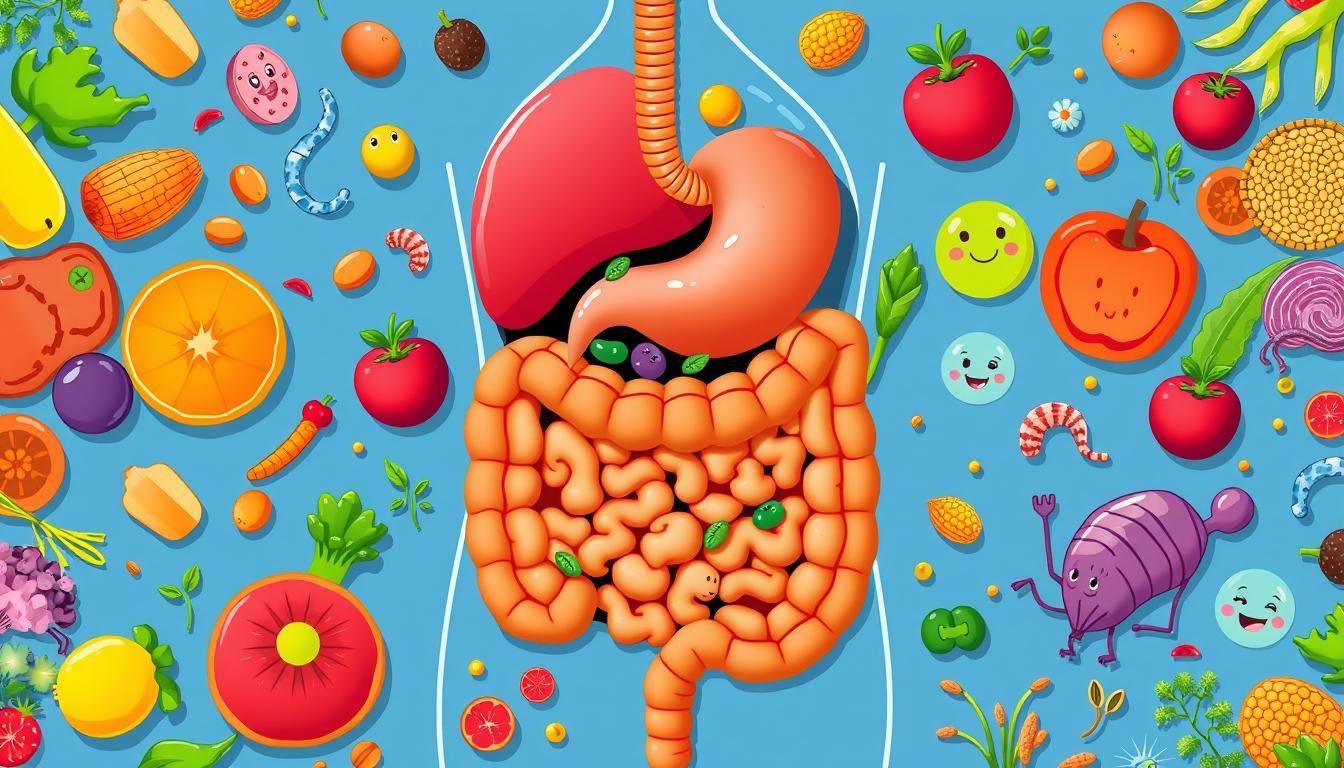
Gut health is key to our overall well-being. It’s a topic that’s getting a lot of attention lately. Your gut, or gastrointestinal tract, is filled with a complex mix of microorganisms called the gut microbiome. This microbiome is important for a healthy digestive system, boosting your immune system, and even affecting your mental health.
Understanding the Microbiome
The gut microbiome is a vast community of trillions of bacteria, viruses, fungi, and more. These microbes help break down food, create important nutrients, and manage the immune system. A healthy gut microbiome brings many benefits, like better digestion and stronger immunity.
The Impact of Gut Health on Overall Well-being
The health of your gut microbiome affects your body in many ways. An imbalanced gut microbiome can cause digestive issues, inflammation, and even affect your mental health. Keeping your gut healthy is vital for your overall well-being and preventing many health problems.

The Role of Diet in Gut Health
The foods we eat are crucial for a healthy gut. Eating the right foods and avoiding bad ones can greatly affect our gut health. Let’s look at the foods that help our digestive system and those that don’t.
Key Foods That Promote a Healthy Gut
Foods like yogurt, kefir, sauerkraut, and kimchi are full of probiotics. These good bacteria help our gut stay healthy. They aid in digestion and help us absorb nutrients better.
Also, foods high in fiber like whole grains, fruits, veggies, and legumes are key. Fiber feeds the good bacteria in our gut. This helps keep our gut ecosystem balanced.
An anti-inflammatory diet is also good for our gut. Foods like fatty fish, turmeric, ginger, and leafy greens help reduce inflammation. This is important for our digestive health.
Foods to Avoid for Optimal Gut Function
But, some foods can harm our gut. Processed, high-fat, and sugary foods, along with too much alcohol, can upset our gut balance. This can cause inflammation and digestive issues.
By choosing to eat more fermented foods, fiber, and anti-inflammatory foods, we can help our gut. Avoiding processed and unhealthy foods is also important. This way, we can keep our gut healthy and improve our overall well-being.

Probiotics: The Good Bacteria
Probiotics are live microorganisms, often called the “good bacteria.” They are key to a healthy gut. These beneficial bacteria help your digestive system, boost your immunity, and improve overall health. Learning about different probiotics and their benefits can help you have a healthier gut.
Types of Probiotics and Their Benefits
There are many types of probiotics, each with its own benefits. Lactobacillus, Bifidobacterium, and Saccharomyces boulardii are some of the most studied. Lactobacillus helps break down lactose, improves nutrient absorption, and eases irritable bowel syndrome symptoms.
Bifidobacterium supports your immune system and reduces gut inflammation. Saccharomyces boulardii, a yeast, fights diarrhea and stops harmful bacteria from growing.
Natural Sources of Probiotics
Eating probiotic-rich foods is a great way to support your gut. Foods like yogurt, kefir, sauerkraut, and kimchi are full of these beneficial bacteria. The fermentation process makes them perfect for your gut health.
Some breads, cheeses, and dark chocolates also have probiotics. They offer a tasty way to feed your microbiome.

Prebiotics: Fuel for Your Gut
Probiotics get a lot of attention for gut health, but prebiotics are just as important. Prebiotics are dietary fibers that feed the good bacteria in your gut. They help keep your gut microbiome healthy and balanced.
What Are Prebiotics?
Prebiotics are plant fibers that humans can’t digest. They feed the probiotic bacteria in your gut. This helps these beneficial bacteria grow and work better, supporting your gut health.
Best Prebiotic-Rich Foods
Eating foods rich in prebiotics is great for your gut. Some top prebiotic foods include:

Bananas, onions, garlic, whole grains, legumes, and chicory root are all good sources. Adding these to your diet feeds the good bacteria in your gut. This improves digestion, nutrient absorption, and overall health.
The Gut-Brain Connection
Research has found a surprising link between gut health and mental well-being. The gut microbiome, a mix of bacteria, viruses, and other microorganisms in our digestive system, affects our mood and mental health. It plays a key role in how we feel and think.
How Gut Health Affects Mental Well-being
The gut and brain are connected in both ways. The gut microbiome can change how our brain works. It does this by making neurotransmitters, controlling inflammation, and handling stress. At the same time, our mental state can change the health of our gut microbiome.
Tips for Balancing Gut and Brain Health
To keep the gut-brain connection healthy, we need to nourish our microbiome. Eating a diet full of fiber, like fruits, veggies, and whole grains, helps. These foods feed the good bacteria in our gut. Managing stress, getting enough sleep, and using probiotics and prebiotics also help. These steps support a healthy gut-brain relationship and improve our mental health.
Signs of an Unhealthy Gut
A healthy gut is key for feeling good. But sometimes, our digestive system gets out of balance. This can cause a range of uncomfortable symptoms.
One major sign is increased intestinal permeability, or a “leaky gut.” It lets undigested particles and toxins into the bloodstream. This can cause inflammation and many other problems.
Common Symptoms to Look Out For
Do you often feel bloated, gassy, constipated, or have diarrhea? These could be signs of an unhealthy gut. Other symptoms include skin issues, food sensitivities, chronic tiredness, and mood swings.
These problems often come from an imbalance in gut bacteria, known as dysbiosis.
Long-term Effects of Poor Gut Health
Poor gut health can have serious long-term effects. Increased intestinal permeability and bad digestion can cause chronic inflammation. This has been linked to serious health issues like autoimmune diseases, heart disease, and some cancers.
It’s important to keep your gut healthy. This can be done through good nutrition, managing stress, and using supplements.
Lifestyle Changes for Better Gut Health
Eating well is key for a healthy gut. But, other lifestyle changes can also help a lot. Focus on managing stress and getting good sleep.
Stress Management Techniques
Too much stress is bad for your gut. It can upset the balance of good bacteria, causing inflammation. Try meditation, deep breathing, or yoga to reduce stress. These can help your gut stay healthy.
The Importance of Sleep
Good sleep is vital for a healthy gut. It helps your body fix itself, including your gut. Try to sleep 7-9 hours a night and keep a regular sleep schedule.
By managing stress and sleeping well, you can improve your gut health. A healthy gut is essential for a healthy body and mind.
Gut Health Myths Debunked
There are many myths about gut health that can confuse people. These myths can stop us from getting the best digestive health. Let’s look at some common myths about probiotics, prebiotics, and supplements.
Misconceptions About Probiotics and Prebiotics
Many think all probiotics are the same. But, there are many strains of good bacteria, each with its own benefits. The right probiotic depends on the strain and your needs.
Not all prebiotics are the same either. Both probiotics and prebiotics are important for a healthy gut. But, it’s key to know how they differ and work together.
Understanding Gut Health Supplements
Some believe gut health supplements are a one-size-fits-all solution. But, the quality and effectiveness of these supplements vary. It’s crucial to research and talk to health experts to find the right supplements for you.
Looking into the source, potency, and purity of ingredients matters. This affects how well the supplements work.
By clearing up these myths and finding reliable information, we can make better choices for our gut health. This helps us support our overall well-being.
Seeking Professional Help for Gut Issues
Making changes to your diet and lifestyle can help your gut health. But sometimes, you need to see a doctor. Knowing when to get help can ensure you get the right care for your digestive problems.
When to Consult a Specialist
If you have ongoing or severe symptoms, it’s time to see a doctor. This includes chronic pain in your belly, frequent diarrhea, constipation, bloating, or losing weight without trying. These signs might mean you have a serious issue that needs medical help.
Types of Healthcare Providers to Consider
Gastroenterologists are doctors who focus on the digestive system. They can run tests, find out what’s wrong, and create a treatment plan just for you. Registered dietitians are also great for helping with your diet and nutrition to improve your gut health.