
























Vitamins and minerals are key nutrients that keep us healthy and feeling good. They help with many body functions, like keeping our immune system strong and our bones healthy. Not getting enough of these nutrients can cause health issues.
These nutrients are important for many body processes. They help make energy, fix tissues, and control hormones. Eating a diet full of vitamins and minerals is good for our health. It also lowers the risk of getting chronic diseases.
Understanding Vitamins and Minerals
Vitamins and minerals are key for our health and well-being. They are tiny substances our bodies need in small amounts. These include organic vitamins and inorganic minerals.
What are Vitamins and Minerals?
Vitamins are organic compounds. They are split into two groups: fat-soluble (A, D, E, and K) and water-soluble (B-complex and C). Each vitamin has a special role, like helping with vision, bone health, and immune function.
Minerals are inorganic elements our bodies need. They include macrominerals (like calcium and magnesium) and trace minerals (like iron and zinc). Minerals help with bone health and many body processes.
Types of Vitamins and Minerals
Vitamins and minerals have different roles and ways they work in our bodies. Some help the immune system, while others are key for energy or brain function. Knowing their roles helps us make better food choices and decide on supplements.
Eating a balanced diet with lots of vitamins and minerals is crucial for good health. By understanding these nutrients, we can make sure we get what we need for our health.
Vitamin and Mineral Deficiencies
It’s important to eat a balanced diet full of nutrients for good health. But sometimes, we might not get enough vitamins and minerals. This can happen for many reasons, like eating poorly, not absorbing nutrients well, certain health issues, or needing more nutrients.
Vitamin shortages can cause serious health problems. For example, not having enough vitamin C leads to scurvy. Not getting enough vitamin D can make bones weak and increase the chance of breaking them. Mineral shortages, like iron, can make you tired, weak, and not think clearly.
Knowing the signs of vitamin and mineral shortages is key to fixing them quickly. Symptoms include feeling very tired, having a weak immune system, slow healing of wounds, and even problems with the brain. Spotting these signs early helps people take steps to stay healthy.

Malnutrition means not getting enough of the nutrients we need. People with certain health issues might be more likely to have nutrient shortages and malnutrition. It’s important to understand how these shortages and malnutrition affect our health to live well.
Benefits of Vitamins and Minerals for Health
Vitamins and minerals are key for our health. They help our immune system, keep bones strong, and support overall wellness.
Boosting Immune System
Some vitamins and minerals are vital for a strong immune system. Vitamin C and vitamin E fight infections and diseases. Zinc helps immune cells work right, fighting off pathogens.
Supporting Bone Health
Calcium, vitamin D, and other minerals are important for healthy bones. Calcium builds and keeps bones dense, and vitamin D helps your body use calcium. These nutrients prevent bone diseases and reduce fracture risks.
Vitamins and minerals also help with heart health, brain function, and overall well-being. Eating a variety of nutrient-rich foods ensures you get the vitamins and minerals your body needs.
Health and Vitamins
Vitamins are key for good health and well-being. They help with many body functions, like making energy and fixing cells. Getting enough vitamins from food or supplements is important to avoid shortages and stay healthy.
Vitamins help with important body tasks. They turn food into energy, make hormones and red blood cells, and keep skin, bones, and teeth strong. They also help the immune system fight off sickness and infection.
Vitamins do more than just keep the body running smoothly. Some, like vitamin C and E, protect cells from harm. This can lower the risk of serious diseases, such as heart disease and cancer.
Eating foods rich in nutrients is the best way to get vitamins and minerals. But sometimes, supplements are needed to fill gaps or help with health issues. Knowing how vitamins and minerals help health lets people make better choices for their well-being.
Dietary Sources of Vitamins and Minerals
Keeping a healthy diet is key to getting the vitamins and minerals your body needs. Luckily, you can find these important nutrients in many foods. These include fruits, vegetables, whole grains, and lean proteins.
Fruits and Vegetables
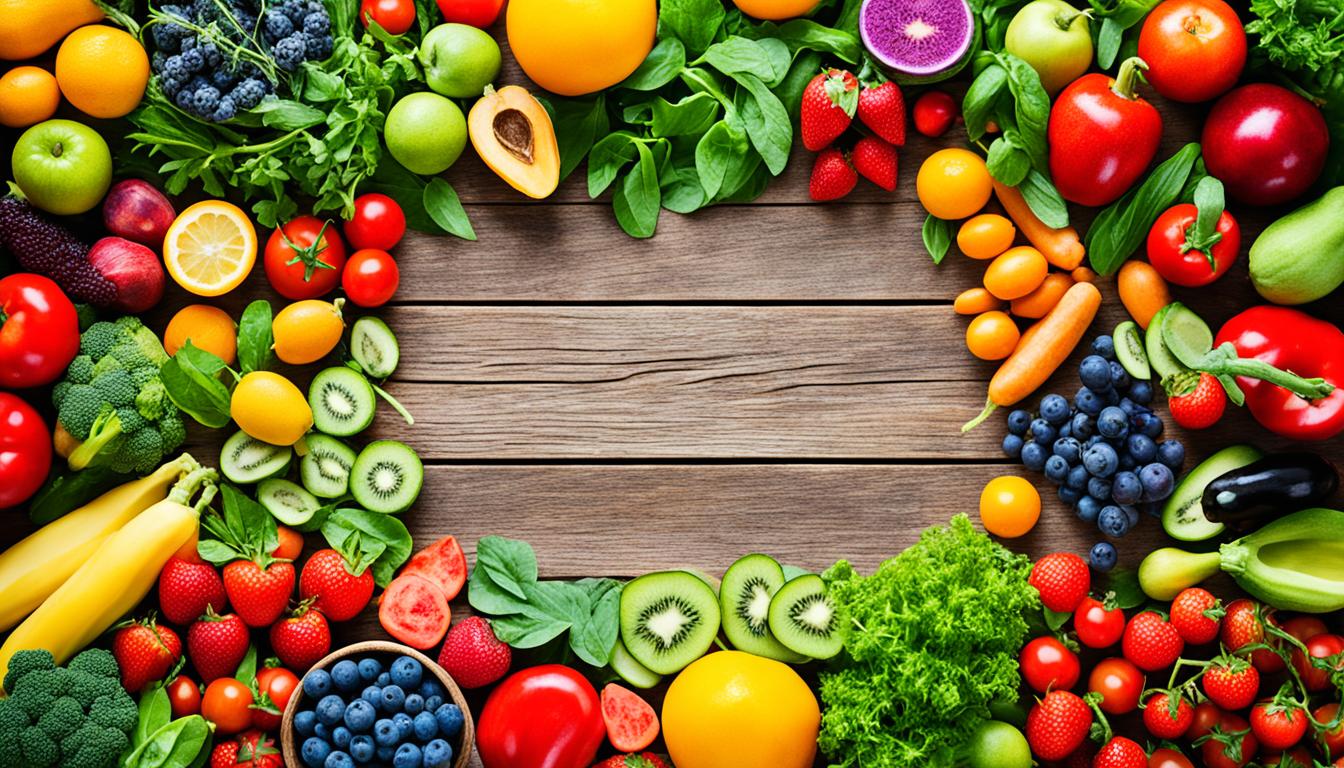
Fruits and vegetables are packed with vitamins and minerals. Oranges and grapefruits are great for vitamin C, which helps your immune system. Spinach and kale are full of vitamins A and K, plus iron and calcium.
Carrots and sweet potatoes are loaded with vitamin A. This vitamin is important for your eyes and skin.
Whole Grains and Lean Proteins
Whole grains and lean proteins are also great for getting vitamins and minerals. Foods like brown rice, quinoa, and whole wheat bread give you B vitamins, iron, and magnesium. Chicken, fish, and legumes are full of zinc, iron, and B vitamins.
Adding a variety of nutrient-rich foods to your meals helps you meet your daily vitamin and mineral needs. This supports your body’s functions and keeps you healthy and well.
Vitamin and Mineral Supplements
A balanced diet is the best way to get the vitamins and minerals we need. But sometimes, dietary supplements can be helpful. They can fill nutrient gaps or support our health in special ways.
Types of Supplements
There are many kinds of vitamin and mineral supplements. They meet different health needs. Multivitamins give you a mix of important vitamins and minerals. Single-nutrient supplements focus on one thing, like vitamin C or calcium.
There are also special formulas for pregnant women or for keeping bones strong. These are made for specific health issues.
When to Consider Supplements
Supplements are useful in certain situations. They help if you don’t get enough nutrients from food, like during pregnancy or breastfeeding. They can also be needed if you have a diet that limits your nutrient intake or if your body can’t absorb nutrients well.
It’s important to talk to a healthcare professional before starting supplements. They can make sure the supplements are right for you. Making the choice to use supplements should be done with a healthcare provider’s advice.
Understanding the different supplements and when they might be needed helps us make good choices. This way, we can support our health and wellbeing.
Balanced Diet for Optimal Health
For optimal health, eating a balanced diet is key. It should include a mix of vitamins, minerals, and other important nutrients. You can get these by eating a variety of foods like fruits, veggies, whole grains, lean proteins, and healthy fats.
Following dietary guidelines helps you eat right. It ensures your body gets all the nutrients it needs to work well. Eating a mix of nutrient-dense foods daily supports your health and well-being.
Having variety in your diet is crucial. Eating different fruits, veggies, whole grains, lean proteins, and healthy fats meets your nutritional needs. Also, knowing dietary guidelines helps you make healthy food choices.

Stick to a balanced diet and follow nutritional advice for better health. A diet rich in nutrients is key to staying healthy and full of energy.
Risks of Vitamin and Mineral Deficiencies
Nutrient deficiencies can seriously harm your health, both now and later. Signs like feeling tired, a weak immune system, and slow healing can mean you’re missing out on important vitamins and minerals. If not fixed, these gaps can lead to long-term issues like anemia, osteoporosis, and heart disease.
Short-term and Long-term Effects
Short-term, not getting enough nutrients can make you feel bad and disrupt your body’s normal workings. For example, not having enough iron can cause anemia, making you feel very tired and dizzy. Not getting enough vitamins C and D can weaken your immune system, making you more likely to get sick.
Over time, these nutrient imbalances can raise your risk of serious health problems. These include bone loss and heart disease. It’s important to fix these nutrient gaps quickly and eat a balanced diet to avoid these issues.
By making sure your body gets the vitamins and minerals it needs, you can keep yourself healthy. This helps prevent both short-term and long-term problems linked to not getting enough nutrients.