
























In today’s fast-paced world, many people struggle with anxiety. But, by taking a holistic approach to wellness, you can handle this mental health issue better. This guide will show you how to use mindfulness and physical activity to deal with anxiety and improve your life.
Anxiety affects many parts of our lives, from our health to our feelings. By knowing what causes it and spotting the signs, we can fight it. Using holistic wellness practices, you can find ways to cope with anxiety and become more resilient.
The Impact of Anxiety on Overall Well-being
Anxiety is a common mental health issue that affects many people. It can cause both physical and mental problems. These problems can make daily life harder.
Understanding the Physical and Mental Effects
Anxiety shows up in many physical ways, like a fast heartbeat, tense muscles, sweating, and stomach problems. These symptoms can make everyday tasks tough. It also affects mental health, causing trouble focusing, being easily annoyed, and even depression.
Long-term anxiety can harm a person’s health and happiness. It can weaken the immune system, increase heart disease risk, and lead to other health issues.
Recognizing the Signs and Symptoms
Knowing the signs of anxiety is key to getting help and managing it. Symptoms include constant worrying, feeling restless, trouble sleeping, and a feeling of doom. Spotting these signs helps people take steps to deal with anxiety’s effects.
Understanding anxiety’s wide impact helps people manage it better. Getting professional help and practicing wellness can greatly improve life with anxiety.
Incorporating Mindfulness into Your Daily Routine
Life can get busy and overwhelming, making it hard to stay in the moment. But, adding mindfulness to your daily life can change that. It’s about being fully aware and attentive right now. This helps you find calm and peace, even when things are chaotic.
One easy way to practice mindfulness is through conscious breathing. Just take a few minutes each day to focus on your breath. This can calm you down, lower your blood pressure, and make you feel more peaceful. Try setting a timer for 5-10 minutes a day to breathe deeply and see how it changes your mood.
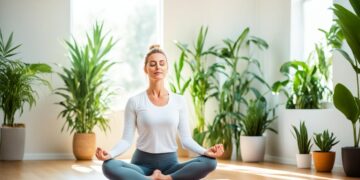
Adding short meditation sessions to your day can also help with anxiety. It could be a guided meditation or just sitting quietly. This quiet time can ease tension, improve focus, and bring more peace inside you. Start with just 5-10 minutes a day and slowly increase as you get into it.
Finding what works for you is key to making mindfulness a habit. Try different techniques like journaling, nature walks, or just taking a moment to pause. By making mindfulness a part of your daily life, you’ll be on your way to handling anxiety and getting your mental clarity back.
Breathing Exercises for Anxiety Relief
Adding breathing exercises to your daily life can help manage anxiety. Deep breathing and guided meditation calm the mind and body. They reduce stress and help you focus on the present.
Deep Breathing Techniques
Deep breathing is a great way to ease anxiety. It’s also called diaphragmatic or belly breathing. This means breathing deeply from the belly, not the chest.
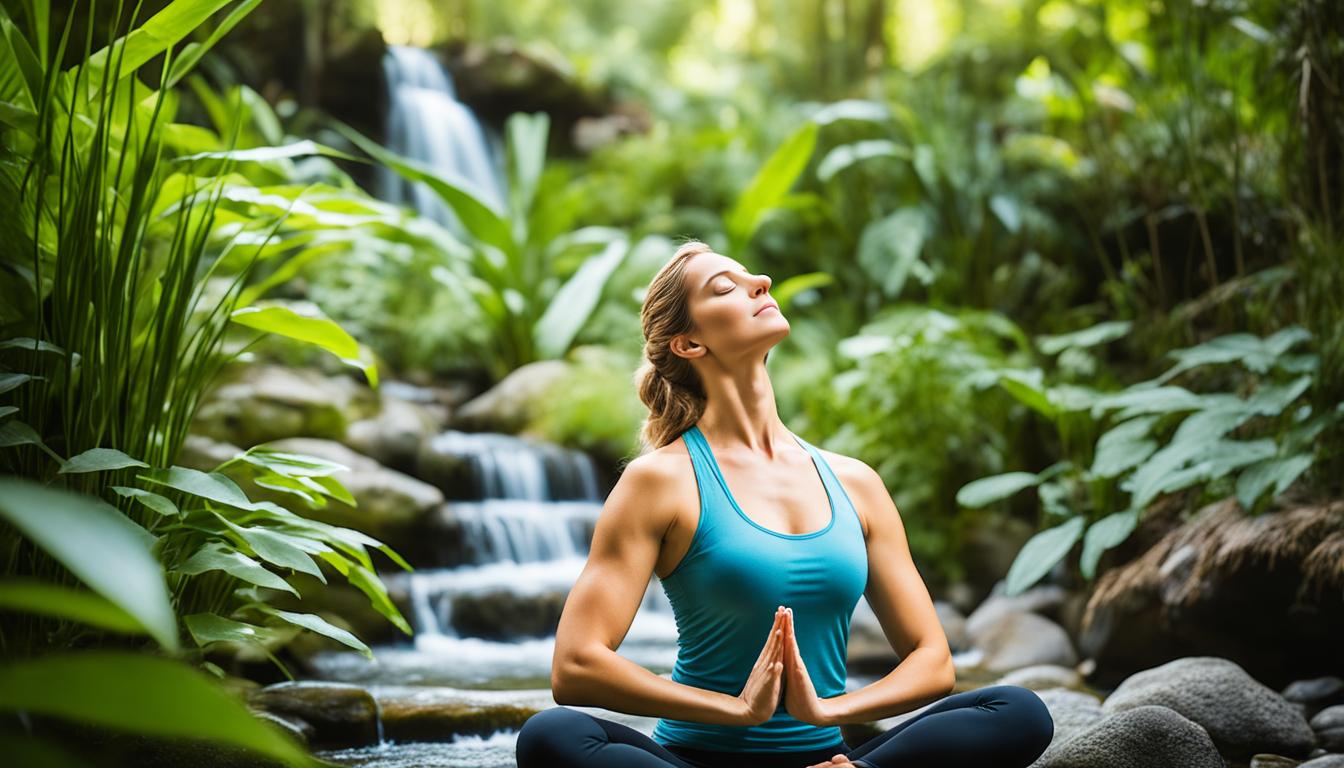
To do it, sit or lie down comfortably, close your eyes, and breathe in deeply through your nose. Your belly should expand. Hold the breath, then slowly breathe out through your mouth, letting your belly go back down. Keep doing this for a few minutes, paying attention to your breath.
Guided Meditation Practices
Guided meditation is another good way to handle anxiety. It means listening to someone guide you, helping you focus on your breath and the now. It quiets the mind and helps you relax. You can find free guided meditations online, made just for anxiety relief.
Using these exercises and meditations daily can really help with anxiety. They make you more aware of the present and build inner peace. This can make you stronger when facing tough times.

The Power of Movement and Exercise
Physical activity is a great way to manage anxiety. It has a big impact on our mental health. It helps reduce anxiety and stress. By moving regularly, people can find relief and live better.
Low-Impact Activities for Anxiety Management
Low-impact exercises are great for those with anxiety. Activities like yoga, Tai Chi, and walking are calming. They help ease physical tension and calm the mind.
Yoga mixes mindful movement with deep breathing. It helps people connect with their bodies and calm their minds. Tai Chi is an ancient practice that uses slow movements for balance and relaxation. Walking, whether fast or slow, can greatly improve mental health.
Adding these low-impact activities to your daily life can reduce stress. They help avoid the anxiety that some intense workouts bring.
It’s important to pick an activity you like and make it a regular part of your routine. Whether it’s yoga, Tai Chi, or walking, regular exercise can fight anxiety well.
Wellness: A Holistic Approach to Anxiety Management
Managing anxiety well means looking at the whole picture, not just the symptoms. A holistic wellness plan looks at the root causes and aims for overall well-being. By using different wellness practices, people can live a balanced life. This supports their physical, mental, and emotional health, helping them manage anxiety better.
Understanding anxiety as a mix of our body, mind, and lifestyle is key. Stress, bad sleep, sitting too much, and eating poorly can make anxiety worse. By fixing these issues with wellness techniques, people can stop the cycle of anxiety. This leads to feeling calmer and more resilient.
Adding mindfulness, breathing exercises, and exercise to daily life can really help with anxiety. These activities don’t just ease symptoms. They also connect the mind and body more deeply. This helps people handle their emotions better and feel more in control of their well-being.
Good nutrition, proper sleep, and a calm home can also help with managing anxiety. By looking at all parts of wellness, people can make a plan that fits their needs. This lets them take charge of their mental health.
The holistic approach to handling anxiety sees how our body, mind, and feelings are all connected. By using many wellness practices, people can find balance. This leads to better anxiety management and a better life overall.
Nutrition and Anxiety: The Gut-Brain Connection
Keeping a healthy diet is key for our bodies and minds. It helps us manage anxiety. The link between our gut and brain is now well-known in holistic wellness. Studies show how our food choices affect our mental and emotional health.
Incorporating Anxiety-Reducing Foods
Some foods can calm our minds and bodies. Omega-3 fatty acids in fatty fish like salmon help reduce anxiety. They do this by fighting inflammation and helping with neurotransmitters.
Probiotic foods like yogurt and fermented veggies support a healthy gut. This is linked to our mental health.
Whole grains like quinoa and oats are also good for reducing anxiety. They keep blood sugar stable, which helps with mood. Plus, they give us B vitamins for making neurotransmitters like serotonin and dopamine.

Adding these foods to your diet helps your mental health. A balanced diet is key to managing anxiety. It’s part of a holistic approach to wellness.
The Benefits of Journaling for Mental Health
Journaling is a great way to handle anxiety and boost your mental health. It lets you write down your thoughts, feelings, and experiences. This helps you understand yourself better, deal with emotions, and find new ways to tackle challenges.
Writing in a journal lets you express yourself freely without fear of judgment. Keeping thoughts and feelings inside can make anxiety worse. But writing them down helps you release them safely, giving you relief and clarity.
Reflecting on your experiences through journaling can deepen your self-understanding. You might notice patterns, issues, or insights that help you manage anxiety better. This knowledge is key to finding coping strategies and making positive changes in your life.
Journaling is also a way to express your emotions. When you’re feeling scared, worried, or sad, writing about it can help you process and let go. This can ease the physical and mental strain of anxiety, making you feel calmer and more well.
Adding journaling to your daily life lets you take charge of your mental health. It doesn’t matter if you use a notebook or a digital app. Regular self-reflection can change your life, helping you face anxiety with more clarity and strength.
Creating a Relaxing Environment at Home
Your home should be a place of peace and comfort. It should be where you find calm and relief from daily stress. Making your home relaxing is key to managing anxiety. By decluttering, organizing, and designing your space thoughtfully, you can create a peaceful atmosphere that boosts your well-being.
Decluttering and Organizing Your Space
Starting with decluttering and organizing is a big step towards a calmer home. Too much clutter can make you feel anxious and overwhelmed. Take time to sort through your things and keep only what you really need. Consider donating or recycling the rest.
Invest in storage solutions and an organizational system to keep things tidy. This helps you feel in control and calm at home.
While decluttering, think about the energy and feel of each room. Remove items that make you feel bad or bring negative thoughts. Aim for a simple, minimalist look that encourages calmness. Add plants and natural light to make your space even more relaxing.
The aim is to make your space calm and free from clutter. By focusing on organization and decluttering, you can lower your anxiety and create a peaceful home.
Building a Support System for Anxiety Management
Dealing with anxiety can feel overwhelming, but having a strong support system helps a lot. Building good personal relationships and getting involved in your community are key steps. These can be powerful tools for improving your mental health.
Having supportive friends, family, or people who understand you can make you feel like you belong. They offer a safe place to talk about your feelings and give advice when you need it. Joining groups or going to events can also make you feel more connected and less alone.
Doing things that give you a sense of purpose and belonging is also good for managing anxiety. This could be volunteering, joining a hobby group, or just hanging out with friends. These activities help you build a network of support and make you feel good about yourself, beyond your anxiety.
You don’t have to deal with anxiety by yourself. Talk to your loved ones, look into local support, and work on building a strong network. This approach to managing anxiety can help you do well and find balance in your life.
Seeking Professional Help for Severe Anxiety
Wellness practices can help with anxiety, but sometimes you need professional help. If your anxiety is severe, doesn’t go away, or affects your daily life, it’s time to see a mental health expert.
When to Consult a Mental Health Professional
If you notice any of these signs, it’s a good idea to get help:
- Anxiety that stops you from working, keeping relationships, or doing daily tasks
- Panic attacks or feelings of fear or dread that change your life
- Anxiety that doesn’t get better with self-care or wellness efforts
- Thoughts of self-harm or suicide
Asking for help is a brave move and a key step to improving your mental health. A licensed therapist or counselor can offer anxiety treatment and help you find coping strategies that work for you.
Therapy and counseling can help you understand your anxiety better. You’ll learn healthy ways to cope and become more resilient. A mental health expert can also suggest if medication or other mental health treatments might help you.
You don’t have to deal with severe anxiety by yourself. Getting professional help is a brave step that can greatly improve your life.
Integrating Wellness Practices into Your Lifestyle
Embracing a holistic approach to anxiety management is key to achieving long-term well-being. By adding various wellness practices to your daily life, you can live more balanced and fulfilling. This includes mindfulness, regular physical activity, and eating anxiety-reducing foods. Making these lifestyle changes is the way to holistic well-being.
Managing anxiety is a journey, not a goal. Being consistent and committed is crucial as you try different wellness practices. Find the ones that feel right for you. Celebrate your progress and be kind to yourself. By focusing on your mental and physical health, you’ll improve your anxiety management and overall well-being.
The secret to wellness practices is making them part of your daily life. Try new things, adjust, and find what works best for you. Remember, your path to holistic well-being is unique. The benefits of your hard work will be huge.