


























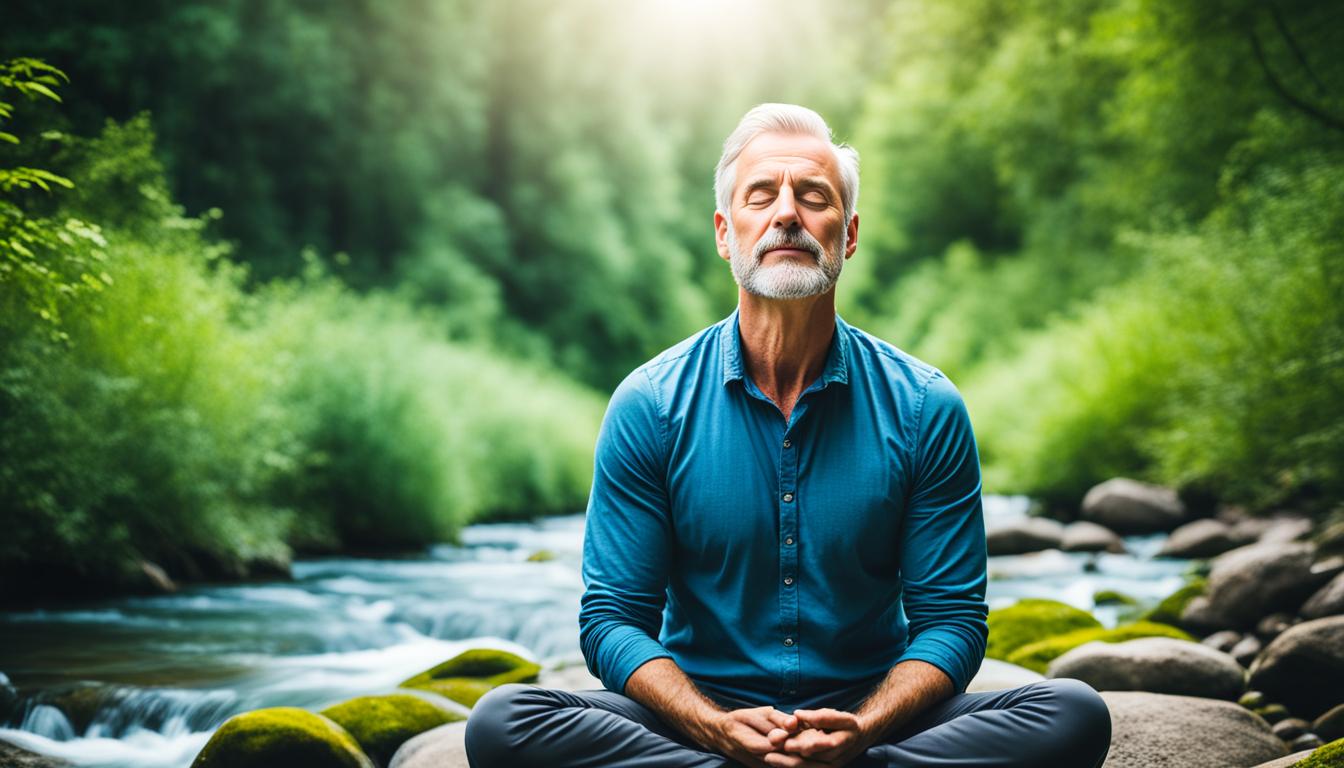
Keeping your mental health in check is key to a happy and balanced life. This guide will share 10 easy ways to boost your mental health and build resilience. You’ll learn about mindfulness, positive thinking, making strong connections, and taking care of yourself. These tips aim to support your mental and emotional health.
We’ll use advice from top mental health experts and the latest studies. This article offers a full approach to better mental wellness. By adding these strategies to your daily routine, you can improve your mental resilience. You’ll be on your way to a healthier, more balanced life. Let’s start exploring how to put your mental health first for a richer life.
Understanding the Importance of Mental Wellness
Mental well-being is key to our overall health and happiness. It includes our emotional, psychological, and social health. It helps us deal with life’s ups and downs, form strong relationships, and feel fulfilled.
Being mentally healthy is vital for a good life. It helps us handle stress, keep relationships strong, and reach our goals. Without it, we might face depression, anxiety, and struggle in life, affecting our health and happiness.
The Impact of Mental Health on Overall Quality of Life
Mental wellness greatly affects our life quality. It lets us cope well, connect deeply, and stay positive. This boosts our happiness. But ignoring mental health can make life tough, hurting our relationships, work, and joy.
Seeing the value of mental well-being helps us focus on our health and joy. By knowing how it shapes our lives, we can choose to keep our minds balanced. This leads to a happier, more meaningful life.
Practice Mindfulness and Meditation
In today’s fast-paced world, feeling overwhelmed and stressed is common. But, there’s a powerful tool to help us find calm and clarity – mindfulness and meditation. These practices have been shown to reduce stress and anxiety, improve focus, and help with emotional control.
Mindfulness means being fully in the moment, without judgment or distraction. It helps you see your thoughts and feelings objectively. This leads to more inner peace and less reaction to stress.
Meditation is a practice that focuses on your breath, a mantra, or an object. It has many mental health benefits, like better focus, emotional control, and less depression and anxiety. Adding mindfulness and meditation to your daily life can greatly improve your well-being.
If you’re new or want to deepen your mindfulness and meditation, there are many resources. You can find guided meditations and workshops to help you. Start your journey and let these practices change your mental and emotional life.
Embrace a Positive Mindset
Starting a journey of positive thinking can change your life. It makes you feel better mentally. By focusing on the good, you can change negative thoughts into positive ones. This leads to a more optimistic and strong life view.
Cultivate Gratitude
Being thankful is key to a positive mindset. Spend some time every day thinking about what you’re thankful for. It could be nature’s beauty, your family’s love, or everyday joys. Being grateful changes how you see things and makes you feel better.
Reframe Negative Thoughts
Our thoughts affect how we feel and act. By changing how we think, we can turn negative thoughts into positive ones. Instead of focusing on the bad, look for the good or think of other ways to see things. This way, you can face challenges with more strength and happiness.
It takes effort to have a positive mindset, but it’s worth it. By being thankful and changing negative thoughts, you can use positive thinking to improve your mental health.
Nurture Wellness through Healthy Habits
Getting mentally well is linked to healthy habits. Eating right and staying active can greatly improve your health and happiness. This part will show how these habits can make you feel better and lead a happier life.
Balanced Nutrition and Mental Health
What you eat is key to your mental health. Eating foods full of nutrients like fruits, veggies, whole grains, and lean meats helps your brain and body. These foods boost your mood, thinking skills, and ability to bounce back.
Choosing what to eat wisely can help your mental health. Eating well not only feeds your body but also your mind. This creates a cycle of good health for both your body and mind.
The Mental Health Benefits of Regular Exercise
Staying active is good for your whole health, both body and mind. Activities like walking, jogging, swimming, or light lifting can make you feel happy, lower stress, and lift your mood. Exercise also helps your brain work better, boosts your confidence, and can ease depression and anxiety.
Adding exercise to your daily life can really change how you feel mentally. Making healthy habits a key part of your life lets you enjoy the benefits of eating right and staying active. This leads to a happier, more balanced life.
Foster Meaningful Connections
Building strong social connections is key for good mental health. Relationships give us a sense of belonging and emotional support. They also protect us from the daily stresses of life. By making meaningful connections, we can make our lives better and improve our mental health.
Building a Supportive Social Network
Creating a strong social network can change how we feel about our mental health. By doing social activities, joining groups, or meeting up with loved ones, we can build a support system. These actions give us a sense of belonging and let us share our lives, get advice, and find purpose.
Having strong social connections also helps our mental health by making us feel less alone, less lonely, and less depressed. When we feel seen, understood, and supported, we can handle life’s challenges better. This leads to a healthier, more balanced life.
By focusing on making meaningful social connections and building a supportive network, we can feel part of a community. This improves our emotional well-being and helps us stay mentally healthy.
Wellness: Prioritize Self-Care
Self-care is key to good mental health, yet it’s often ignored. It’s essential for keeping a balance and supporting long-term mental health. By focusing on self-care, people can recharge and build the strength needed for daily life.
Self-care includes many activities that meet our physical, emotional, and mental needs. It can be as simple as meditating or deep breathing, or setting boundaries and taking breaks. These practices help manage stress, improve mood, and support mental health. By making time for these activities, people can strengthen their well-being and handle life’s challenges better.

Self-care is very important. When people put their own needs first, they can support and care for others better. It’s not a luxury but a must for a healthy, balanced life. Adding self-care to daily routines helps people know themselves better, be more resilient emotionally, and improve their mental health and well-being.
Engage in Creative Pursuits
Tapping into your creative side can deeply impact your mental health. Activities like art, music, writing, or hobbies offer a way to express yourself and process emotions. These activities bring mental benefits and help with art and mental wellness.
The Mental Health Benefits of Creativity
When you dive into creative activities, you take a break from daily stress. Creating something, like painting or making music, puts you in a flow state. This state reduces anxiety and depression by focusing you on the now and blocking out negative thoughts.
Creative activities also boost your brain power and problem-solving skills. They make your brain more flexible, improving memory, focus, and creative thinking. This can improve many areas of your life, like work and personal relationships.
Being creative can make you feel accomplished and boost your self-esteem. Creating something unique and personal is very fulfilling. It can make you more confident and give you a sense of purpose. This leads to better mental wellness, as feeling meaningful and purposeful is linked to higher well-being.
Seek Professional Support When Needed
Taking steps to keep your mental health in check is key. Sometimes, you might need to get help from mental health experts. Therapists or counselors can offer valuable advice and support when you’re facing tough times or struggling with your mental health.
Overcoming the Stigma Around Mental Health Treatment
Many people avoid getting help for mental health because of the stigma. They see it as a sign of weakness or something to be ashamed of. But remember, mental health is as crucial as physical health. There’s no shame in focusing on your well-being.
If the stigma stops you from getting help, change how you think about it. Asking for support shows strength, not weakness. By facing the stigma and getting professional help, you’re taking a big step towards better mental health and a happier life.
There are many ways to get help, like traditional talk therapy or specific therapies like CBT or mindfulness. A mental health expert will work with you to find the best treatment for your needs and likes.
Your mental health is as vital as your physical health. Don’t wait to get professional help when you need it. By focusing on your well-being and beating the stigma, you’re taking a strong step towards a better life.
Embrace Nature and Outdoor Activities
Spending time in nature can greatly improve our mental health. Studies show that being in green spaces and doing outdoor activities helps our minds. It lowers stress, boosts mood, and makes us think better.

Nature therapy helps reduce stress and anxiety. Being in nature calms our minds and makes us more mindful. Activities like walking in a park or hiking can help us relax.
Outdoor activities also make us happier and more energetic. They combine exercise, sunlight, and a connection with nature. This mix can make us feel better overall.
Activities like hiking or walking in a park release happy chemicals in our brains. They make us feel more positive and happy.
Nature therapy does more than just help our mental health. It also makes us think better and be more creative. Being in nature stimulates our senses and encourages us to explore. This can improve our problem-solving skills and creativity.
Adding nature to our daily lives is easy and beneficial for our mental health. It can be as simple as taking a break in a park or bringing plants inside. Nature can greatly improve our mental well-being and quality of life.
Develop Healthy Coping Mechanisms
Life throws us challenges we can’t avoid. It’s key to have a variety of ways to cope. Writing in a journal can help you process feelings and think things through. It also lets you reflect on yourself.
Relaxation exercises like deep breathing or muscle relaxation can ease stress. They make you feel calmer.
Being resilient helps us get through tough times. Talking to loved ones, friends, or a therapist can offer great support. Learning how to manage stress and solve problems can also help you deal with daily challenges.
Having a set of coping strategies, stress management techniques, and a focus on building resilience is crucial for your mental health. By working on these skills, you’ll be ready for whatever life brings. This way, you can keep a healthy, balanced mind.